
Sustainable Living in Mallorca: The Right Way to Combine Solar Power, Storage, and Tariffs
4 min read
Written by
Bodo Gruber, Founder of Sunglow Energy
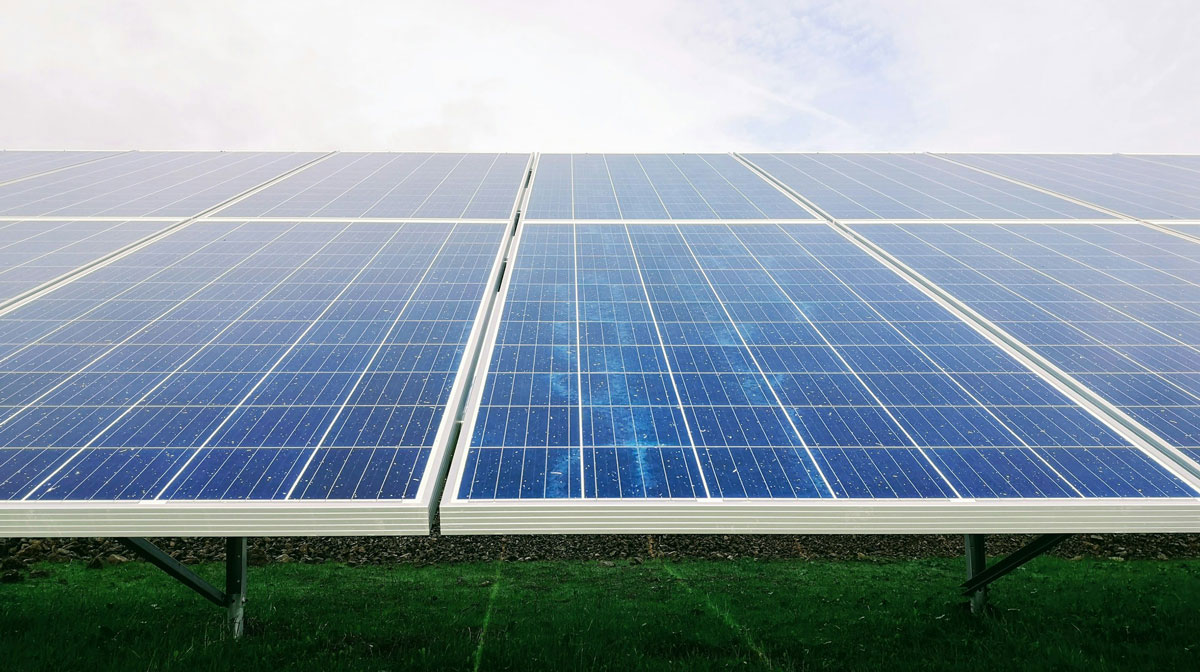
Living sustainably in Mallorca doesn't just mean consuming less energy. Above all, it means generating and using energy more intelligently. A solar system is the obvious step for this, especially for properties with a pool, air conditioning, heat pump, or electric vehicle.
For sustainability not to remain abstract, it must also make economic sense: How much electricity does the property consume? When does that consumption occur? What role do battery storage, feed-in, and electricity tariffs play? A good solution answers these questions before the first row of panels is installed.
Why solar makes sense in Mallorca
Mallorca offers ideal conditions for photovoltaics: abundant sunshine throughout the year and often high electricity consumption precisely when the sun is shining, such as for air conditioning and pool pumps. With your own system, you generate part of your electricity directly on-site. This makes you more independent from the grid and from fluctuating electricity prices.
Nevertheless, the system itself is only the first building block. Whether it pays off depends on the interplay of consumption, storage, tariff, and maintenance.
Self-consumption instead of symbolism
A PV system is not a sustainability trophy for the roof; it has to work in everyday life. The most important metric for this is self-consumption: How much of the generated solar power do you use directly yourself? The better your consumption and generation align, the greater the impact the system will have on your electricity bill.
That is why it pays to shift energy-intensive appliances such as pool pumps, washing machines, dishwashers, heat pumps, or EV charging into sunny hours whenever possible. For vacation properties, another factor is whether the usage is seasonal and what consumption looks like when no one is on-site.
Six questions before planning
A sustainable energy solution doesn't start with the question of how many panels fit on the roof, but with these points:
What is the actual electricity consumption according to the utility bill?
At what times of day is electricity needed?
Which roof areas are suitable, and how are they oriented?
Does battery storage make sense for this consumption profile?
What happens to excess solar power?
Do the electricity tariff and contracted power capacity (potencia) still match the new situation?
Storage: useful, but not automatic
Battery storage can significantly increase self-consumption if a lot of electricity is needed in the evening or at night. However, it is not necessary in every case. Whether and what size battery makes sense depends on your consumption profile and your goal: cutting costs, becoming more independent, or staying powered during an outage.
Important: A battery alone does not automatically mean backup power. For essential loads to continue running during a grid outage, the inverter and installation must be designed for it. Learn more in our article Battery Storage in Mallorca: When It Pays Off and When It Doesn't.
Factoring in tariff and feed-in from the start
In Spain, excess solar power can be offset on your electricity bill, depending on your contract. Exactly how this works and what gets credited depends on the tariff. The contractually agreed power capacity (potencia) also affects the fixed costs of the bill. Therefore, the question of tariffs should not be asked after the installation, but should be part of the initial planning.
Sunglow Energy evaluates the PV system, electricity tariff, potencia, and feed-in together. The goal is a solution that is not only technically sound, but also clearly reflected in your bill. We explain how electricity prices are structured in Electricity Prices in Mallorca: What Power Costs and How to Save.
Vacation rentals, hotels, and businesses
Vacation rentals, hotels, and commercial businesses also benefit from solar power—often even more so, because consumption is high during the season and occurs mainly during the day. In addition to costs, the public perception plays a role here: guests and customers are increasingly looking for genuine sustainability, and a well-documented PV system supports this claim.
It remains important that the installation disrupts operations or rentals as little as possible. This can be achieved through coordinated scheduling, for example, during the off-season.
Long service life: Maintenance under heat, salt air, and calima
A system is only sustainable if it operates reliably for many years. Monitoring, maintenance, troubleshooting, and proper documentation are therefore essential. In Mallorca, heat, salt air, dust, and calima also play a practical role. Good planning takes this into account when selecting components and ensuring access for maintenance and cleaning.
Conclusion
Sustainable living in Mallorca becomes a reality when solar power, self-consumption, storage decisions, tariffs, and service are considered together. Those who plan these elements collectively establish a solid foundation for genuine savings and long-term security. Sunglow Energy advises you in German, plans based on your actual electricity bill, and supports the system even after installation. Find out what influences the investment in How Much Does a Solar System Cost in Mallorca? The 7 Cost Factors.

